Medical Centre Cleaning

Medical Centre Cleaning Services in Sydney

B&K Services provides medical centre cleaning in Sydney for practices that need a defined scope, reliable attendance and cleaning windows that sit around appointments rather than through them.

Fully InsuredFlexible schedulingFacility management support
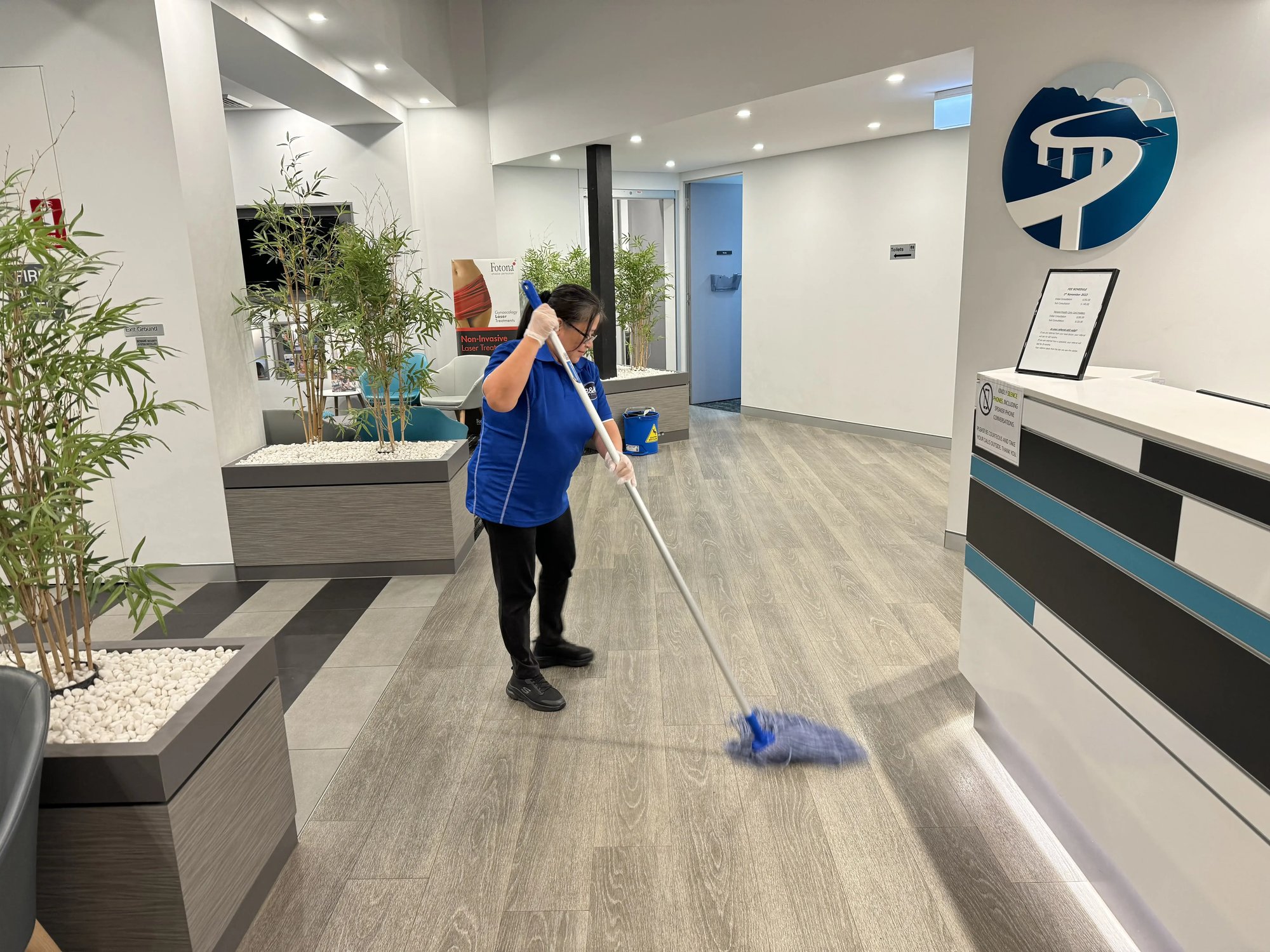
Medical Centre facility in Sydney
200+Sites managed
30+ YearsFacility management expertise
100%Tailored solutions
100+Skilled professionals

Medical centre cleaning that fits a working clinic

Waiting rooms, consulting rooms, shared bathrooms and reception counters take the most traffic in a medical centre. If those areas slip, practice managers hear about it quickly — from patients, from clinicians, and from whoever is chasing the cleaner.

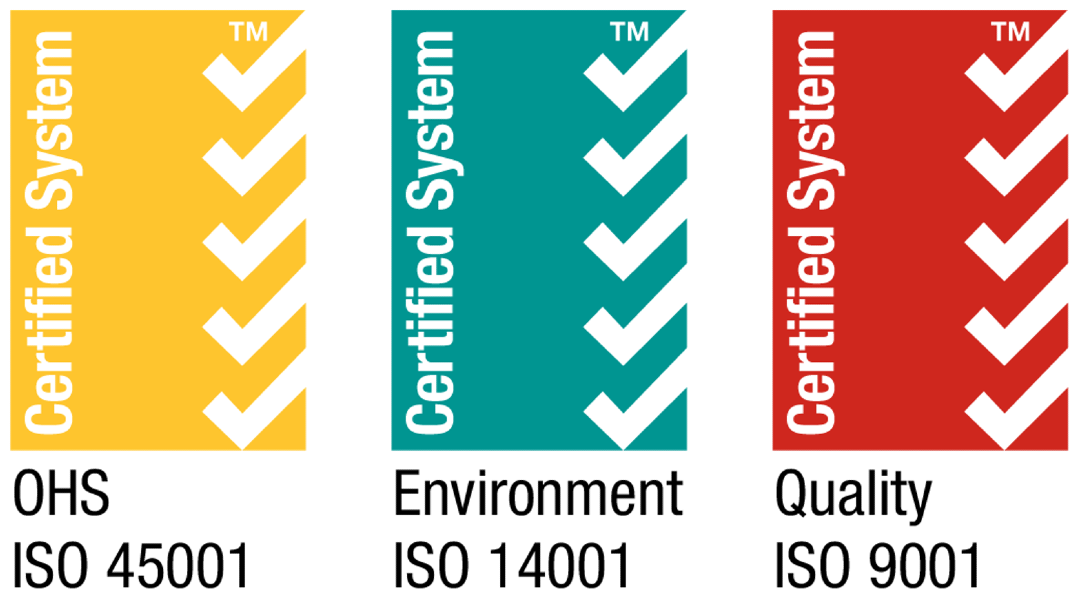
Every cleaner is inducted on WHS obligations, safe chemical handling and a site-specific risk assessment before their first shift. B&K holds ISO 9001, ISO 14001 and ISO 45001 certification for quality, environmental and WHS management systems.

INDEPENDENTLY CERTIFIED
ISO 45001 OHS, ISO 14001 Environment and ISO 9001 Quality certifications
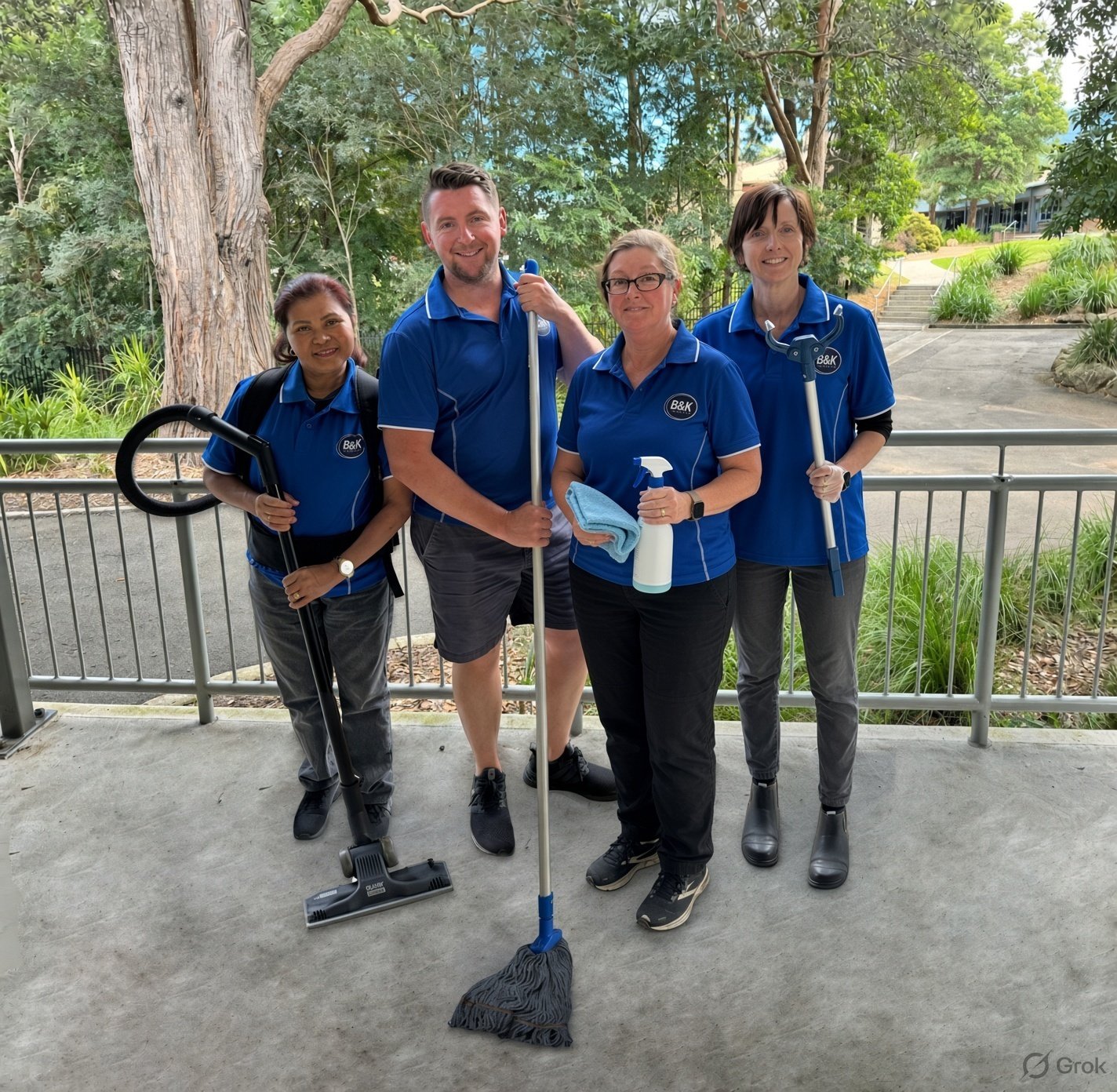
B&K Services team
Client Trust

Trusted By Businesses Across Sydney, Wollongong & Nowra

aus-gov
peoplecare
qinetiq
netstrata
bluescope
nsw
officeworks
fedex
veolia
uow
Anytime Fitness
colliers

Cleaning built around your medical centre

A medical centre is not an empty office after 5pm only. Patient flow, consulting-room turnover and staff movement change through the day, so the cleaning program has to follow access, not a generic commercial roster.

B&K Services sets medical centre cleaning services in Sydney around the rooms you use, the hours you open, and the surfaces that need consistent attention.

  • Scope written for a working clinic
  • Waiting rooms and reception kept to a visible standard
  • Cleaning windows around appointments
  • High-touch points listed in the schedule
  • Programs for single-site and multi-room practices
  • Routine work separated from periodic work
B&K Services cleaning team with equipment outdoors

When the current cleaning arrangement is creating extra work

Priorities inside a medical centre change by room and by time of day. Waiting areas and bathrooms need a different frequency from a low-use store or admin office.

The aim is a routine the practice can rely on: rooms cleaned when they can be accessed, presentation held, and fewer follow-up calls from the practice manager.

Inconsistent standards

Quality holds for the first weeks, then waiting rooms, bathrooms or reception start to slip.

High-traffic pressure

Entries, waiting areas and shared bathrooms take more use than back-of-house rooms and need a matching frequency.

Operational disruption

Cleaners arriving through clinic hours block consulting rooms, interrupt staff or work around patients without an agreed window.

Recurring complaints

Bathrooms, floors and reception are usually the first places patients and staff comment on when the standard drops.

Different areas, different needs

One generic checklist treats a consulting room the same as a tea room. Traffic and access should set the task list.

Management time

Practice and facility managers should not have to re-brief the same issues every week.

Medical centre cleaning across the rooms you actually use

The program can be built around the areas that matter to your practice. Each zone below can sit in the routine, the periodic list, or both — agreed at the site assessment.

1

Waiting rooms

Seating, tables, floors and frequent-touch furniture in patient waiting areas.

Patient-facing
2

Consulting rooms

Floors, benches, door hardware and contact points, cleaned in the access window you set.

Clinic rooms
3

Treatment areas

Floors, benches and high-touch surfaces in treatment rooms included in the facility scope — not medical-device servicing.

Clinic rooms
4

Reception

Counters, transaction points, floors and the first surfaces patients use on arrival.

First impression
5

Bathrooms

Shared patient and staff bathrooms, benches, fixtures and floors on an agreed frequency.

Amenities
6

Staff rooms

Staff rooms and change areas kept to the same written standard as the public-facing rooms.

Staff areas
7

Kitchens

Staff kitchens and tea rooms: benches, sinks, appliance fronts and floors.

Staff areas
8

High-touch points

Door handles, switches, rails, reception edges and other contact points listed in the schedule.

Contact points
9

Corridors

Circulation floors, skirting and doorways between waiting, consulting and staff areas.

High traffic
10

Floors

Hard floors on the routine; machine or periodic floor work scheduled separately where needed.

Floors
11

Windows & glass

Internal glass, partitions and entry glass as a periodic or presentation task.

Presentation
12

Waste areas

General bin bays and waste rooms included in the facility clean — not clinical-waste handling.

Back of house

Routine cleaning and periodic facility work

Build the program around the work the medical centre actually needs. Routine visits form the base. Periodic work is booked separately so it is not skipped and not billed as if it happened every night.

Periodic and specialist facility care

Deeper floor, carpet and glass work scheduled around access, not squeezed into every routine visit.

Floor care
Scheduled deep cleaning

What a medical centre cleaning plan can cover

The program should reflect site size, rooms in use, traffic, preferred frequency and any access rules identified during the assessment.

1

Routine priorities

Scheduled attention to the rooms that affect hygiene, presentation and the next day’s clinics.

2

Periodic priorities

Deeper work for floors, carpets, glass and detailed surfaces that do not belong on every visit.

3

Site-specific priorities

complaint areas, after-hours access, extra rooms, or a change in opening hours.

4

Ongoing service support

Feedback and scope changes go through one account path instead of restarting the conversation each time.

Cleaning that works around clinic operations

Timing is part of the plan. Agree access windows, opening hours, security rules and how often each task runs.

Cleaning around opening hours
Agreed access times
Scheduled daytime services
Weekend or periodic services
Scheduled deep cleaning
Discuss Your Schedule
B&K Services cleaner with a commercial floor cleaning machine

Medical centre cleaning with a written scope

No two practices run the same hours or room mix. B&K can structure the program around access times, the busiest rooms and the tasks that need to hold week after week.

Company information published by B&K covers trained staff, facility-management support, and a management system for health, safety, environment and quality.

Clear service scope

Rooms, surfaces, frequencies and tasks listed in the agreed program — including what is out of scope.

Site-specific requirements

Layout, entry points, consulting-room access and any rooms that cannot be entered during clinic hours.

Practical communication

Changes, missed-access notes and extra cleans go to a known contact, not a general inbox with no owner.

Continuous review

Review the program when hours, room use or patient volume changes.

Less chasing. Clearer cleaning priorities.

Facility and practice managers need to see what is included, which rooms are priorities, and how the service fits the site. The plan should be readable and adjustable when hours change.

1

Experienced team

More than 100 skilled professionals supporting B&K service operations.

2

Site-specific programs

Programs shaped around the rooms, hours and access of the medical centre — not a copied office spec.

3

Eco-friendly practices

Environmentally conscious cleaning practices used as part of the standard service.

4

Local area expertise

Operations across Sydney and the Illawarra, with local knowledge built into how sites are serviced.

More than cleaning — one facility management partner

Extend the medical centre program with complementary facility services where required.

Talk to B&K

What to consider when planning medical centre cleaning in Sydney

The useful program is the one that matches how the practice actually runs. Before you lock a schedule, map rooms, peak clinics, access windows and who signs off the scope.

1. Daily use and peak periods

When are consulting sessions busiest, and which rooms cannot be entered during those hours?

2. Presentation priorities

Which rooms generate comments first — waiting areas, bathrooms, reception or entry glass?

3. Shared contact and foot traffic

Which surfaces and corridors take the most contact from patients and staff?

4. Access arrangements

What after-hours, early-morning or weekend windows exist, and who provides keys or alarm codes?

Build your medical centre cleaning plan

Identify rooms and current pain points. Set priorities by traffic, use, presentation and access.

FACILITY CLEANING PLANSYDNEY MEDICAL CENTRE

Daily Focus

1
Waiting rooms
Consulting rooms
Treatment areas
Reception

Agree routine frequency and periodic work. Review the scope when clinic hours or room use change.

FACILITY CLEANING PLANSYDNEY MEDICAL CENTRE

Hygiene

2
High-touch surfaces
Counters, door hardware and switches
Staff kitchens and tea rooms
Shared bathrooms and taps

Define the surfaces and frequency that matter most to the practice.

FACILITY CLEANING PLANSYDNEY MEDICAL CENTRE

Periodic Deep Clean

3
Floor care and machine cleaning
Carpet and upholstery cleaning
Windows and glass
Pressure / specialist cleaning

Schedule deeper work around access windows, not during peak clinics.

Discuss This With B&K →

Simple to start. Built for ongoing service.

B&K uses a four-stage process: get in touch, agree a program, deliver the service and support it over time. For medical centres, each stage is set around the site and its opening hours.

1

Tell us about your facility

Share the practice type, opening hours, priority rooms and what is failing in the current arrangement.

2

Site review and scope

B&K reviews the site and writes a cleaning scope around rooms, access and frequency.

3

Approve your cleaning plan

Confirm inclusions, exclusions, access arrangements and the service schedule.

4

Ongoing facility cleaning

The program runs against the agreed priorities and can be reviewed when the practice changes.

Trusted cleaning. Clear communication.

Your medical centre cleaning questions answered

Practical questions from practice managers, facility managers and procurement teams about medical centre cleaning in Sydney.

The scope is written per site. It typically covers waiting rooms, reception, consulting rooms, treatment rooms (as facility spaces), shared bathrooms, staff areas, kitchens/tea rooms, corridors, floors and listed high-touch points. Medical equipment, clinical waste and hospital or theatre work are not implied unless B&K has agreed those items in writing.

Frequency depends on patient volume, opening hours and how each room is used. High-use bathrooms, waiting areas and contact points usually need more frequent attention than low-use rooms. The site assessment is where that split is set.

Yes. Access windows can be after hours, early morning, weekends, or limited daytime work in rooms that are free. The schedule is part of the agreed program.

After-hours and weekend access can be discussed when the program is planned, subject to keys, alarms and who is authorised to admit contractors.

Yes, as part of the facility cleaning scope where access allows: floors, benches, door hardware and other agreed surfaces. This is not medical-device cleaning and not operating-theatre work.

No. This page is for medical centres and similar clinic facilities. Hospital, laboratory and dental-surgery programs are different scopes. If you need a different facility type, ask B&K which page matches the site.

B&K can provide insurance documentation on request, including $20 million public liability and workers compensation cover, plus company certification details for ISO 9001, ISO 14001 and ISO 45001. Police checks are completed on staff before they are assigned to a client site.

Yes. Multiple consulting rooms, waiting zones and staff areas can be mapped in one scope, subject to a site assessment.

Yes. Hours, extra rooms and frequency can be reviewed when the practice changes. Changes should be written into the program so invoicing and attendance stay aligned.

Share the suburb, practice type, approximate size, opening hours, priority rooms, preferred access window and current issues. B&K can then discuss a site walkthrough and a quote that matches the actual facility.

Request a quote

Let’s build the right medical centre cleaning plan for your facility

Tell B&K Services about your Sydney medical centre, opening hours and priority rooms. We will discuss a written scope from a site walkthrough — not a generic office price.