1300 136 954
 info@bnkservices.com.au

Read Time: 8 Min

Short answer: it depends mostly on the method. Contact and space sprays act quickly on the pests they reach. Baits and residual treatments work gradually, because pests have to find the bait or cross a treated surface, so seeing some activity for a while afterwards is not unusual. No treatment lasts indefinitely, which is why businesses use an ongoing program. Ask your licensed technician for the expected timeframe for your treatment before the visit.
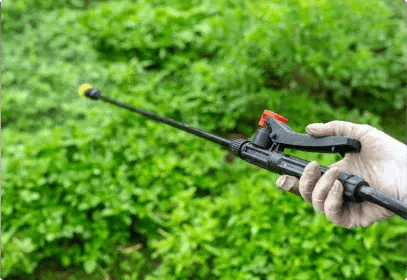
“How long does pest control take?” is really three questions:
- How long the visit takes, which affects how long areas are out of action.
- How long until the treatment works, meaning when pest activity should drop.
- How long the protection lasts, which tells you when you’ll need the next service.
This guide explains what drives each timeframe, so you know what to ask and what to expect.
How pest control works
Most commercial pest programs combine several approaches:
- Inspection and monitoring: finding where pests are entering, feeding and sheltering, often using monitoring devices or traps to track activity between visits.
- Exclusion and hygiene: sealing gaps, fixing door seals and removing food and shelter. FSANZ advises food businesses to make sure there are no holes, cracks or gaps in ceilings, walls and floors.
- Treatment: applying registered products such as baits, gels, dusts or sprays to the places pests use. In NSW, anyone doing this for fee or reward must hold a pest management technician licence from the NSW EPA.
- Review: each visit’s report records activity and recommended actions, so the program can be adjusted.
How quickly you see results depends on which of these is doing the work.
1. How long does a pest control visit take?
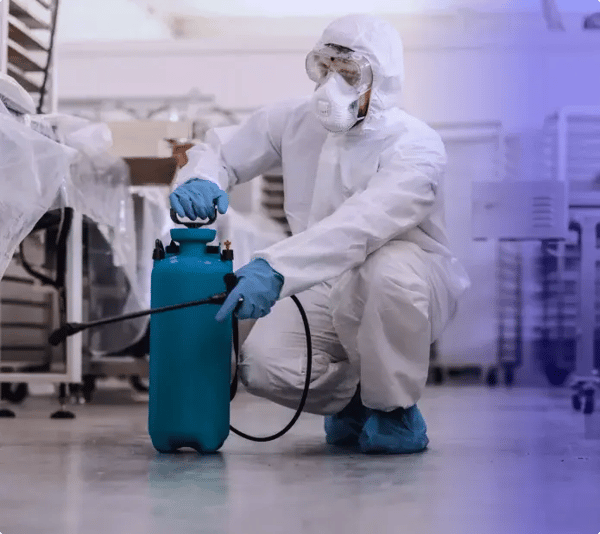
Visit length depends on:
- Size and layout of the site: the number of rooms, floors, roof voids, external areas and loading docks to be inspected and treated.
- Scope: a routine preventive service with device checks is different from treating an active infestation or doing a termite inspection.
- What the technician finds: active infestations take longer to inspect and treat properly.
- Access: locked rooms, cluttered wall lines and blocked roof hatches slow the visit, or mean areas are missed.
Commercial sites vary widely, so ask your provider for an estimate based on your scope and floor plan, and plan treatments for after hours if areas need to be vacated.
Preparing well shortens the visit and avoids missed areas. See our before and after pest control checklist.
2. How long does pest control take to work?
This depends mostly on the method.
| Method | How it works | What affects the timeframe |
|---|---|---|
| Space or contact sprays | Act on pests they reach directly | Better Health Channel (Victorian Government) describes space sprays as “fast acting”, but they don’t reach pests hidden in voids or treat the cause |
| Residual surface treatments | Leave product on surfaces pests walk across | Better Health Channel says surface sprays and termite treatments “linger in the environment for days, weeks or even longer”. Pests must come into contact with treated surfaces, so results build over time |
| Baits and gels | Pests have to find and eat the bait | Results depend on pests finding the bait and choosing it over other food, so they build gradually rather than instantly |
| Traps and monitoring devices | Capture pests and show where activity is | Catch pests as they’re used, but mainly provide information to guide treatment |
| Exclusion and repairs | Stop pests getting in | Work as soon as the gaps are fixed, but don’t remove pests already inside |
| Termite management | Inspection, treatment and/or barrier systems | Specialist work. Ask the technician how and when they’ll confirm the treatment has worked |
Why you might still see pests after treatment
Seeing pests in the days after a visit doesn’t necessarily mean the treatment has failed. Many methods work gradually rather than instantly. Before the visit, ask your technician what activity is normal for the method they’re using and for how long. If activity continues beyond that, or increases, report it.
How long after pest control do cockroaches die?
It varies with the product, how it’s applied and the size of the population. Cockroaches have to contact or eat the product, and those sheltering deep in equipment or wall voids may not do so straight away. Your technician should tell you what to expect and when to report continuing sightings.
What slows pest control results on commercial sites
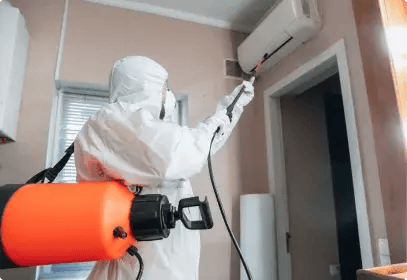
Results often take longer than expected because of conditions on site, not the treatment itself.
- Food residue and grease. Residue keeps feeding pests while the treatment is trying to work, so cleaning under and behind equipment matters. Regular commercial cleaning supports the treatment.
- Cleaning over treated zones. Wet-cleaning or degreasing skirting boards and wall junctions too soon after treatment can disturb residual products. Ask the technician which zones to avoid and for how long, and pass this on to your cleaners.
- Moved or removed bait stations. Devices that are moved during cleaning or stocktake leave gaps in the program.
- Unfinished recommended actions. FSANZ advises completing recommended actions in pest reports “as soon as you can”. Gaps, damaged seals and leaks will keep letting pests back in.
- Neighbouring tenancies. In shopping centres, food courts, strata buildings and shared warehouses, pests can move between tenancies. Coordinated treatment across the building may be needed.
- Access. Areas that couldn’t be reached on the day haven’t been treated.
3. How long does pest control last?
There’s no universal figure. How long a treatment keeps working depends on:
- the product: some are designed to act quickly, others to persist (see the table above);
- the conditions: cleaning, moisture, weather and sunlight on treated surfaces;
- pest pressure: sites with food, waste and outside sources nearby face constant reinvasion;
- hygiene and maintenance: treatments last longer where food, water and shelter are removed.
That’s why commercial pest control is normally an ongoing program with scheduled visits rather than a one-off treatment. Termites follow their own cycle; Queensland’s building regulator (QBCC) recommends termite inspections “at least every 12 months, or more often in high risk areas”.
For how to set the right interval for your site type, see how often should pest control be done.
When to call your pest controller back
Contact your provider if:
- activity hasn’t dropped within the timeframe your technician gave you;
- sightings are increasing or spreading to new areas;
- you find new signs such as droppings, gnaw marks or damaged stock;
- bait stations or monitors have been damaged, moved or emptied;
- you’ve had a complaint, audit finding or council inspection note.
Keep a simple log of sightings (date, location, pest, photo) to share with the technician. FSANZ recommends food businesses keep reports of pest inspections and treatments showing dates, activity, controls used and recommended actions.
Frequently asked questions
What happens if it rains after pest control?
Rain and irrigation can affect outdoor treatments. Better Health Channel (Victorian Government) advises avoiding watering after using a pesticide and checking the manufacturer’s instructions for how long to wait. If heavy rain follows an external treatment, ask your technician whether the treatment needs to be re-checked or reapplied. Indoor treatments and enclosed bait stations are less exposed.
How long does pest control take to dry?
There’s no single drying time. It depends on the product, the surface, ventilation and the weather. Your technician will tell you how long to keep people out of treated areas and when they can return, so follow those instructions and the label. The preparation and after-care checklist covers re-entry and cleaning in detail.
Is pest control safe for my business?
Check that each product carries an APVMA approval number on its label; the APVMA notes that some label instructions are legally binding. Using an EPA-licensed technician, asking for the safety data sheet and following label and technician instructions are the key safeguards. Food businesses must also make sure products are approved for use in food premises and cannot contact food or food-contact surfaces.
Results slower than expected?
If results are slower than you expected, the cause is often on site: food residue, gaps that haven’t been sealed, or cleaning that disturbs treated zones. B&K Services provides pest control alongside cleaning, waste management and building maintenance under one contract and one point of contact, so you have one provider to raise these site issues with. See why businesses choose B&K.
We work with commercial sites across Sydney, Wollongong and the Illawarra, and Nowra and the Shoalhaven. Ask us to inspect your site, free of charge, or call 1300 136 954.
Summary
Pest control treatments can take varying amounts of time depending on the type of pest and the severity of the infestation. Regular treatments typically show results within a few days, while more severe infestations may take up to a week for noticeable effects. For extreme cases, such as termite infestations, barrier installations offer long-term protection but take several days to complete.
Factors like pest type, property size, and weather can influence the effectiveness and timeline of treatments. Delays can occur due to access issues or improper application. Overall, most treatments begin to work within days, with full eradication taking up to two weeks. Regular follow-ups and maintenance are recommended to keep properties pest-free.