1300 136 954
 info@bnkservices.com.au
Read Time: 8 Min
Pub and Club Cleaning Checklist: Bars, Bathrooms, Gaming Rooms and Functions
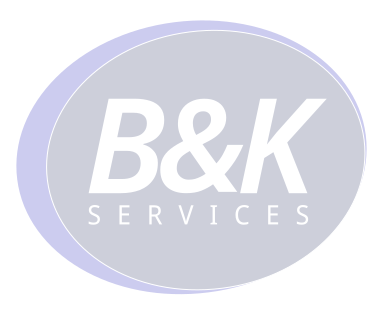
A pub or club is cleaned around a trading diary. A quiet weekday lunch, a Friday night with live music and a Sunday function each leave a different mess, and the next session often starts only a few hours later. This checklist sets out the daily, weekly and periodic tasks for bars, bathrooms, gaming rooms, dining areas and function spaces, plus the food safety and WHS rules that shape them in NSW.
Start with the trading diary, not a fixed roster
A cleaning scope for a licensed venue works best when it follows how the venue is actually used. Before agreeing on tasks, share these with your cleaner:
- Trading hours and close times for each area, including late nights and early openings.
- The booking and function diary, so heavier cleans land after big sessions rather than on a fixed day.
- Access arrangements: keys or swipe cards, alarm codes, who opens up, and the areas that stay locked.
- Exclusions: for example, servicing of gaming machines, cellar lines or specialist kitchen equipment, which usually sit with other contractors.
- Induction and sign-in requirements, and the records your duty manager or licensee wants to see.
Writing the exclusions down matters as much as the task list. It avoids the gap where everyone assumes someone else is cleaning the glasswasher or the floor under the gaming machines.
Daily pub and club cleaning checklist
Bar and service areas
- Wipe and dry the bar top, rails and drip trays; clear sticky residue from the bar front and foot rail.
- Clean beer tap handles, POS screens, card terminals and other high-touch points.
- Mop the floor behind the bar with a suitable floor cleaner and leave it dry before staff start.
- Empty and clean glass bins and general waste bins; replace liners.
Bathrooms
- Clean and disinfect toilets, urinals, basins and taps; descale where needed.
- Clean mirrors, partitions, door handles, hand dryers and baby-change tables.
- Restock soap, paper towel and toilet paper; check sanitary and sharps bins are in place and not over full (see the sharps section below).
- Mop floors, paying attention to the area around urinals and floor wastes.
Dining, lounge and gaming areas
- Vacuum carpets and spot-clean fresh spills before they set.
- Wipe tables, chairs, menu holders and high chairs.
- In gaming rooms, clean floors, seating, ashtray stations where provided and the accessible contact surfaces agreed with the venue; leave machine internals and servicing to the venue or machine technician.
- Clean entry glass, foyer floors and door handles.
Outdoor areas
- Clear and wipe beer garden tables and seating; sweep and remove cigarette butts, glass and food waste.
- Check walkways and steps for spills, broken glass or slippery surfaces after rain.
Weekly checklist
- Machine-scrub hard floors in bars, bathrooms and back-of-house corridors.
- Clean skirting boards, door frames, light switches and the underside of tables and bar ledges.
- Dust high surfaces, screens, signage and shelving the venue has agreed can be reached safely.
- Deep clean bathroom walls, partitions and grout lines.
- Clean bin enclosures and wash the bins themselves.
- Clean dance floors and stage areas after entertainment nights, removing sticky residue before it builds up.
Monthly and periodic tasks
- Steam or hot-water extraction of carpets in high-traffic areas such as gaming rooms, lounges and function rooms.
- Strip and reseal or restore vinyl and other resilient floors on a cycle that suits the traffic.
- High-level dusting of vents, fans and light fittings, using the right access equipment.
- Upholstery cleaning for booths, lounges and gaming seats.
- External glass and entry canopy cleaning.
Plan periodic work around the function diary. A carpet clean the day before a wedding reception leaves no time for the carpet to dry.
Bars, glasses and bistros: the food safety rules
Under the Food Standards Code, food businesses must keep their premises clean (Standard 3.2.2, clause 19), and eating and drinking utensils and the food contact surfaces of equipment must be clean and sanitised (clause 20). In a pub or club that includes glasses. NSW Food Authority advises running commercial dishwashers on the manufacturer's program, so check the glasswasher's sanitising cycle is set and the machine is serviced as specified.
If your bistro or kitchen prepares unpackaged, potentially hazardous food and serves it ready to eat, Standard 3.2.2A is likely to apply. That standard requires a certified food safety supervisor and food handler training. Higher-risk ("category one") businesses must also be able to show that utensils and food contact surfaces were cleaned and sanitised when required. NSW Food Authority says this evidence can be a record (for example, the date and the chemical used, or the dishwasher's sanitising setting) or a demonstration to an authorised officer, and that required records must be kept for at least 3 months. Check with your council or the NSW Food Authority if you're unsure which category applies to your venue.
Kitchen and bar staff usually handle sanitising during service. A contract cleaner's scope more often covers floors, walls, drains and front-of-house areas. Agree on who does what, in writing. Our commercial kitchen cleaning checklist covers back-of-house tasks in more detail, and our guide to how chemicals should be stored in food premises covers keeping cleaning chemicals away from food, glasses and bar stock.
Slips, broken glass and wet floors
SafeWork NSW lists slips, trips and falls among the most common causes of serious workplace injuries in NSW, and names kitchens and bars as places where they happen in hospitality. In a pub or club, the main risks are spilled drinks, wet bathroom floors, broken glass and mopping while patrons are still in the venue.
- Clean spills straight away and leave floors dry, or close off and sign the wet area.
- Pick up broken glass with a dustpan and brush or a glass-safe tool, never by hand, and put it in a rigid container.
- Use floor products suited to the surface, so cleaning doesn't leave a slippery film.
- Schedule wet cleaning of patron areas for after close where possible.
Sharps, vomit and other body-fluid clean-ups
Licensed venues sometimes find discarded needles in bathrooms or outdoor areas. NSW Health's advice for a sharp found in a public place is not to touch it and to call the NSW Needle Clean Up Hotline on 1800 633 353. Inside the venue, agree a sharps procedure in advance: who is trained and equipped to deal with a sharp, where approved sharps containers are kept, and how incidents are reported.
For vomit and other body-fluid spills, NSW Health's guidance on controlling gastro outbreaks is to wash the surface with hot water and a neutral detergent, then, where possible, disinfect hard surfaces with freshly prepared bleach. That factsheet is written for institutional settings such as childcare centres, schools and aged care, but the same clean-then-disinfect order is a sensible approach in a venue. Keep a spill kit with gloves, a disposable apron, absorbent material, bags, detergent and disinfectant, and make sure staff know where it is.
Questions to ask a pub or club cleaning contractor
- How will the scope change after functions, live music or long weekends?
- Who holds keys and alarm codes, and what is the lock-up procedure?
- What is excluded (gaming machine internals, cellar, specialist kitchen equipment)?
- Which chemicals will be used, where will they be stored, and are the safety data sheets on site?
- How are broken glass, sharps and body-fluid spills handled and reported?
- How will cleaning quality be checked? Our cleaning audit checklist and commercial cleaning contract checklist can help.
Frequently asked questions
How often should a pub or club be cleaned?
Most venues need bars, bathrooms and patron areas cleaned every trading day, with heavier tasks weekly and periodic work such as carpet extraction and floor restoration scheduled around the function diary. The right frequency depends on trading hours, patron numbers and events.
Should cleaning happen before opening or after close?
Many venues clean after close or before opening so floors are dry and areas are clear when trade starts. Spot cleaning of spills and bathrooms is still needed during trade.
Do cleaners clean gaming machines?
Cleaning usually covers floors, seating and the accessible contact surfaces the venue agrees on. Machine servicing and anything inside a machine are normally left to the venue or its gaming technician.
Is cleaning glasses the cleaner's job?
Usually not. Glasses are eating and drinking utensils that must be cleaned and sanitised before use, and bar staff normally run the glasswasher during service. Agree this in the scope so nothing is missed.
Pub and club cleaning in Sydney, Wollongong and Nowra
B&K Services plans pub and club cleaning around each venue's trading diary, access times and the areas the duty manager needs ready next. Our work runs under a management system certified to ISO 9001, ISO 14001 and ISO 45001. See our pub and club cleaning services in Sydney, Wollongong and Nowra, or request a free quote and we'll inspect your venue before we price it.
Sources
- NSW Food Authority, Cleaning and sanitising in food businesses (Standard 3.2.2, clauses 19 and 20).
- NSW Food Authority, Showing food is safe (Standard 3.2.2A).
- Food Standards Australia New Zealand, Overview of food safety management tools.
- SafeWork NSW, Slips, trips and falls on the same level.
- SafeWork NSW, Hospitality.
- NSW Health, Community sharps management.
- NSW Health, Gastroenteritis – controlling viral outbreaks in childcare centres and schools.
Summary
Pest control is crucial for businesses to prevent health risks, property damage, and reputation loss. Australia has many pests like termites, ants, and cockroaches, making regular pest management essential. Commercial properties should have pest control every three months, while food businesses may need monthly treatments. The frequency depends on factors like business type, location, and past infestations. DIY pest control is cheaper but less effective, time-consuming, and risky, whereas professional services ensure safe and long-lasting results. With over 30 years of experience, B&K Services provides expert pest control solutions to keep your property pest-free. Contact them today!