1300 136 954
 info@bnkservices.com.au
Read Time: 12 Min
Since 1 July 2026, NSW food businesses whose general waste bins add up to 3,960 litres or more a week (or six 660L or sixteen 240L bins) must separate their food waste and have it collected separately, at least weekly. The threshold drops on 1 July 2028 and again on 1 July 2030, when a single 660L bin or three 240L bins is enough to bring a site in. For now, only back-of-house food waste has to be separated, because dining areas are exempt until 1 July 2030.
The rules are about collection, but you'll feel them most in the bin room. This guide sets out who is affected and when, what the exemptions cover, and how to set up bins, cleaning and responsibilities so a new food waste stream doesn't bring odour, pests or a failed inspection.
General information only, current at 25 November 2026. It is not legal advice. Check your own position with your council or the NSW EPA.
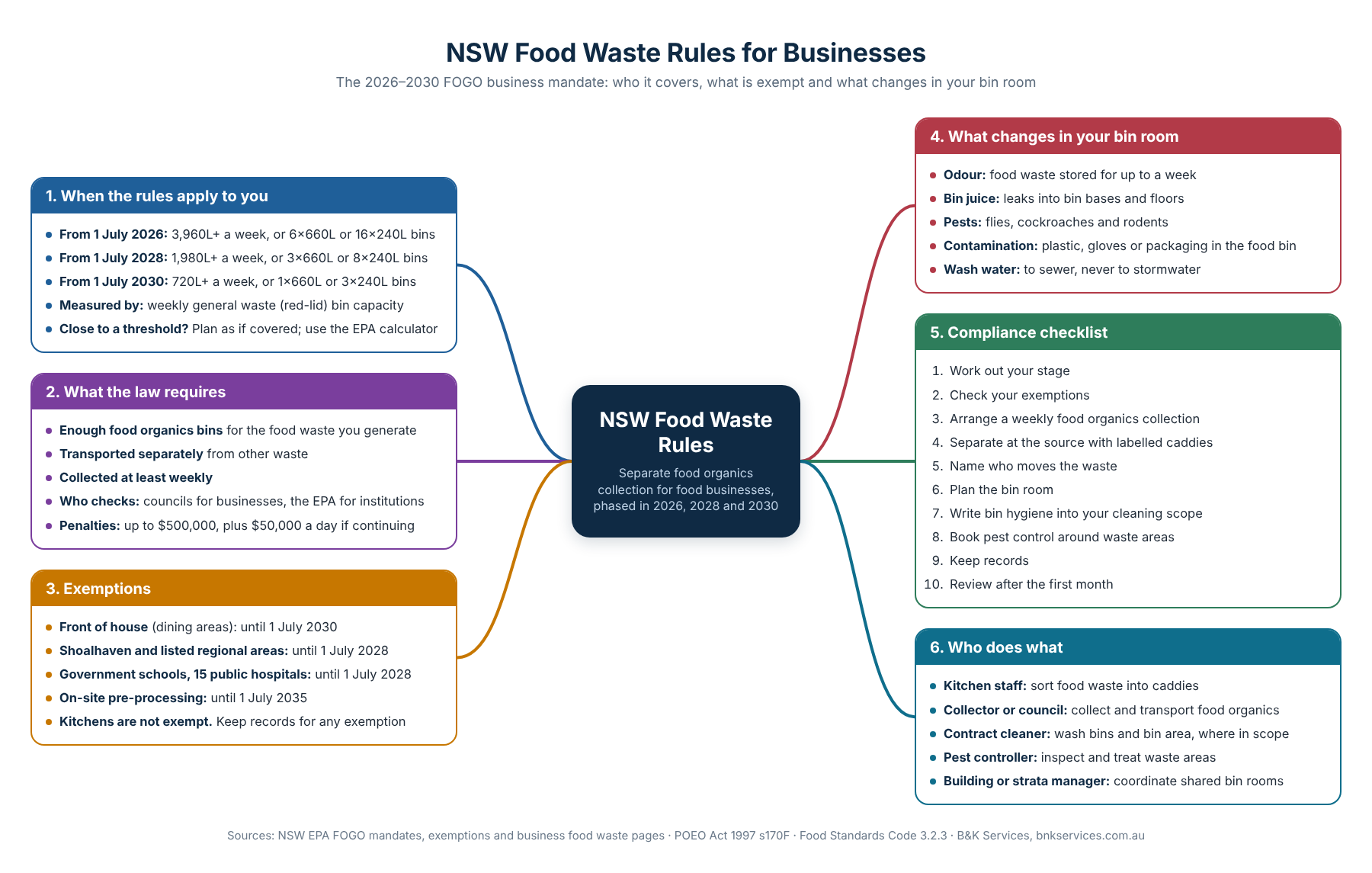
NSW food waste rules for businesses at a glance
When do the NSW food waste rules apply to my business?
The NSW EPA phases the FOGO business mandate in by weekly general waste (red-lid) bin capacity, meaning the combined size of all general rubbish bins collected from your site each week. The figures below are the EPA's, from its FOGO mandates and rollout page (updated 25 June 2026) and its business food waste page.
| Stage | From | Weekly general waste capacity (any mix of bins) | Or by bin count |
|---|---|---|---|
| 1 | 1 July 2026 | 3,960L or more | 6 or more 660L bins, or 16 or more 240L bins |
| 2 | 1 July 2028 | 1,980L or more | 3 or more 660L bins, or 8 or more 240L bins |
| 3 | 1 July 2030 | 720L or more | 1 or more 660L bin, or 3 or more 240L bins |
To check where your site sits, use the FOGO business mandate calculator linked from the EPA's business food waste page.
Why some guides say 3,840L instead of 3,960L
The two figures come from the EPA itself, so it isn't a typo in one guide.
- The EPA's 17 September 2025 media release opens with 3,840 litres a week, which it describes as the equivalent of 16 × 240L bins. Its own phased list further down says 3,960L or more.
- The NSW Small Business Commissioner gives 3,840L, 1,920L and 660L.
- The EPA mandates page, the body of the EPA business page and the City of Sydney give 3,960L, 1,980L and 720L.
The gap is in the arithmetic. Sixteen 240L bins come to 3,840L, while six 660L bins come to 3,960L. Likewise, eight 240L bins make 1,920L but three 660L bins make 1,980L.
The EPA mandates page lists the bin counts and the litre total as alternative triggers joined by "or". Read that way, a site with sixteen 240L bins is caught from 2026, and one with eight 240L bins from 2028, even though both are below the litre totals. If your bins fall between the two figures, plan as if the rules apply to you, and confirm with the calculator or your council.
Which businesses are covered, and who checks?
The rules apply to "relevant premises", which are places where food or drink is prepared or served. The Small Business Commissioner's summary lists:
- supermarkets and grocery stores
- restaurants, cafés, pubs, clubs and other dining and drinking venues
- hotels and motels
- shopping-centre food courts
- caterers and food trucks
- childcare centres, schools and other education providers
- hospitals and aged care facilities
Businesses need a food organics (FO) collection, not a household-style FOGO bin. The Commissioner notes that garden organics can stay on your existing green waste service.
What the law requires. The duty sits in Chapter 5A of the Protection of the Environment Operations Act 1997, in section 170F. According to the EPA's guidance for councils, a covered site must:
- provide enough food organics bins for the food waste it generates
- have that waste transported separately from other waste
- have it collected at least once a week
The EPA mandates page adds that large businesses may need more frequent collections.
Who checks. The EPA business page says councils regulate businesses in their local government area. The EPA regulates institutions and council-run businesses. In practice, councils check pubs, clubs, cafés, restaurants, food courts and nursing homes, and the EPA checks government-run facilities such as hospitals and schools.
Penalties. The EPA mandates page states maximum penalties of up to $500,000, plus $50,000 a day for continuing offences. On-the-spot fines go up to $5,000. The City of Sydney notes that the EPA is focusing on education and support first.
The front-of-house exemption: what's exempt and what isn't
From 1 July 2026 until 1 July 2030, food waste generated in areas where customers, patients or the public eat or drink is exempt from the separation rules. Kitchens and food preparation areas are not exempt. Back-of-house food waste must still be separated and collected.
The exemption comes from an EPA notice in the NSW Government Gazette of 5 June 2026, made under clause 91 of the Protection of the Environment Operations (Waste) Regulation 2014. It replaced the narrower 2025 food-court exemption. It covers areas that are designed or intended for eating or drinking and that people other than staff and contractors can use.
| Exempt until 1 July 2030 | Must still be separated |
|---|---|
| Dining area in a café or food court | Kitchens and food preparation areas |
| Areas used by patients or the public in a hospital | Back-of-house areas of food-court tenancies |
| A school playground where students eat lunch | Prep waste in pubs, clubs, aged care and catering kitchens |
One grey area to check: the notice ties the exemption to where waste is generated. If your staff scrape customers' plates in the kitchen, ask your council how it treats that waste before you assume it is exempt.
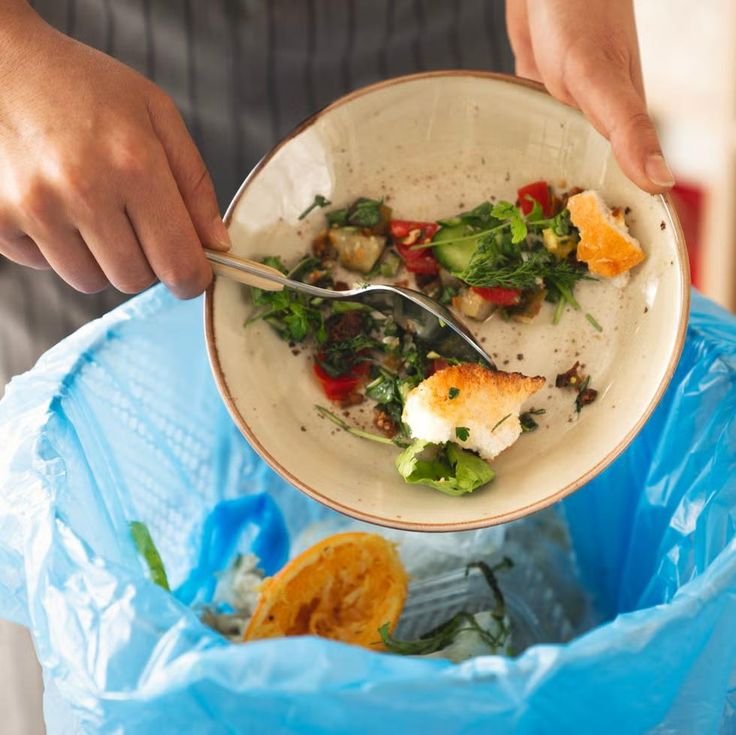
The EPA also lists other time-limited generic exemptions. Among them, government schools and 15 named public hospitals are exempt until 1 July 2028, and TAFE NSW until 1 July 2027. Non-government schools, private hospitals, childcare centres and aged care homes are not part of that exemption. Businesses can also apply for a custom exemption if complying would be an unreasonable burden. Keep records that support any exemption you rely on, because the EPA may ask for proof during compliance checks.
Sydney, Wollongong, Nowra and the Shoalhaven: local differences
- Sydney: the staged dates apply as set out above. The City of Sydney directs businesses to the EPA for guidance and tools, on 13 77 88.
- Wollongong, Shellharbour and Kiama: these councils are not on the EPA's list of exempt regional areas, so the 2026, 2028 and 2030 dates apply as normal.
- Nowra and the Shoalhaven: Shoalhaven City Council is on the EPA's regional businesses exemption list. The exemption covers council areas outside Greater Sydney that did not yet provide a household FOGO or food organics service as at 30 June 2026. Businesses there are temporarily exempt from the collection duty from 1 July 2026 until 1 July 2028. After that date, sites above the thresholds will need a compliant service. That gives Shoalhaven venues time to plan bin space and cleaning before the change, rather than after it.
What separating food waste changes in your bin room
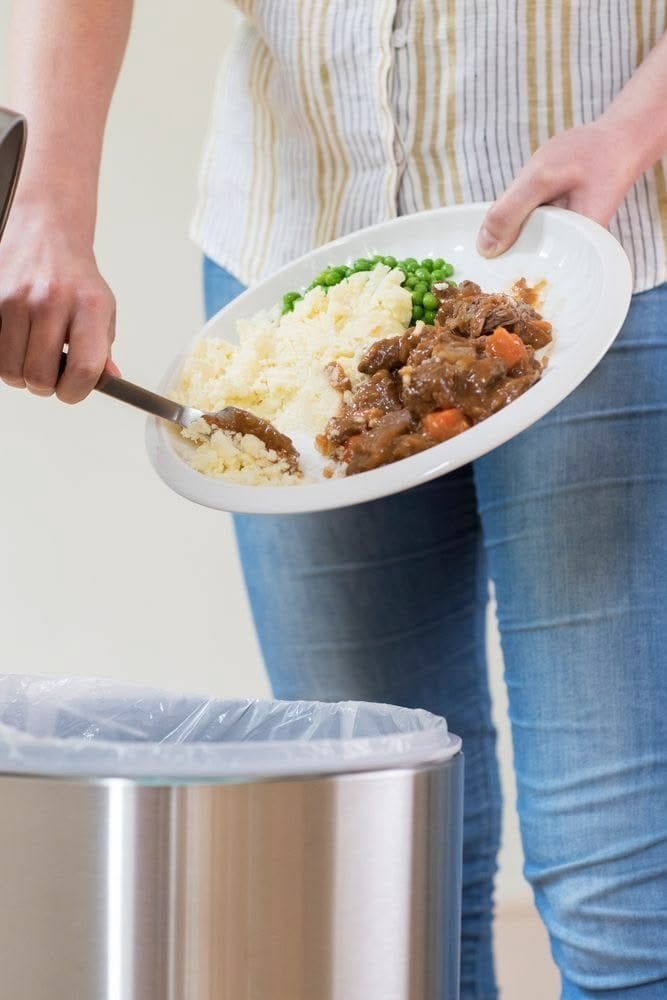
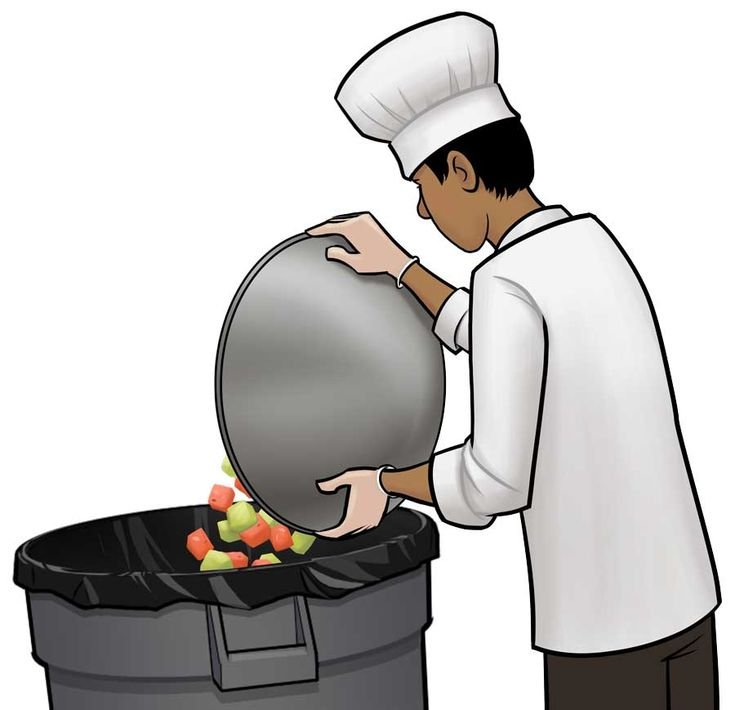
Adding a food organics stream means more bins in the same space and food waste sitting in a dedicated bin between collections, which can be up to a week. That is where most of the practical problems show up:
- Odour: food waste stored on its own starts to smell quickly, especially in summer and in enclosed or basement bin rooms.
- Bin juice: liquid from food scraps leaks into bin bases and onto floors, then dries into sticky residue that holds smells.
- Pests: flies, cockroaches and rodents are drawn to food waste that is left open or spilt.
- Contamination: plastic, gloves or packaging in the food bin can cause problems with your collector. Check with them what happens to a contaminated bin.
These problems overlap with food safety rules that already apply. Under Food Standards Code Standard 3.2.3, food premises must have garbage storage that:
- adequately contains the volume and type of waste
- is enclosed where needed to keep pests and animals away
- can be easily and effectively cleaned
Councils inspect food premises under the Food Act 2003. A new waste stream changes the volume and type of waste you store, so the storage still has to meet that standard.
Watch where the wash water goes. The EPA's guidance is that runoff from any washing activity must not enter stormwater drains. City of Ryde, for example, requires bin and floor wash water to go to sewer in line with Sydney Water's requirements. If your bin area has no drain to sewer, sort that out before anyone starts hosing bins.
On-site pre-processing is an option. The EPA's pre-processing exemption covers dehydrators, macerators and digesters, and runs until 1 July 2035. Under it, food waste can be collected as little as once every eight weeks, as long as the outputs are kept in sealed containers that control odour, vermin, pests and leaks. Check with your water authority whether trade waste approval applies.
FOGO compliance checklist for food businesses
- Work out your stage. Add up the weekly capacity of your general waste bins and run it through the EPA calculator. Remember the 3,840L / 3,960L gap if you are close to a threshold.
- Check your exemptions. These include front-of-house areas, the Shoalhaven regional exemption until 1 July 2028, the government schools and public hospitals exemption until 1 July 2028, and pre-processing.
- Arrange a separate food organics collection, at least weekly, with your waste collector or council.
- Set up separation at the source. Put caddies at prep stations, label them clearly and train staff, including casuals, on what goes in and what stays out.
- Decide who moves the waste. Name who empties caddies into the outdoor food bin, how often, and who re-lines them.
- Plan the bin room. Check there is room for the extra bins, collection access, lighting, a tap and drainage to sewer.
- Write bin hygiene into your cleaning scope. Set out who washes bins and the bin area, how often, and how that is timed to collection day.
- Book pest control around waste areas, and store cleaning and pest chemicals correctly. Our guide to how chemicals should be stored in food premises covers this.
- Keep records. File your collection agreement, invoices showing weekly collection, and evidence for any exemption you rely on.
- Review after the first month. Look at overflow, odour and contamination, then adjust bin sizes or collection frequency.
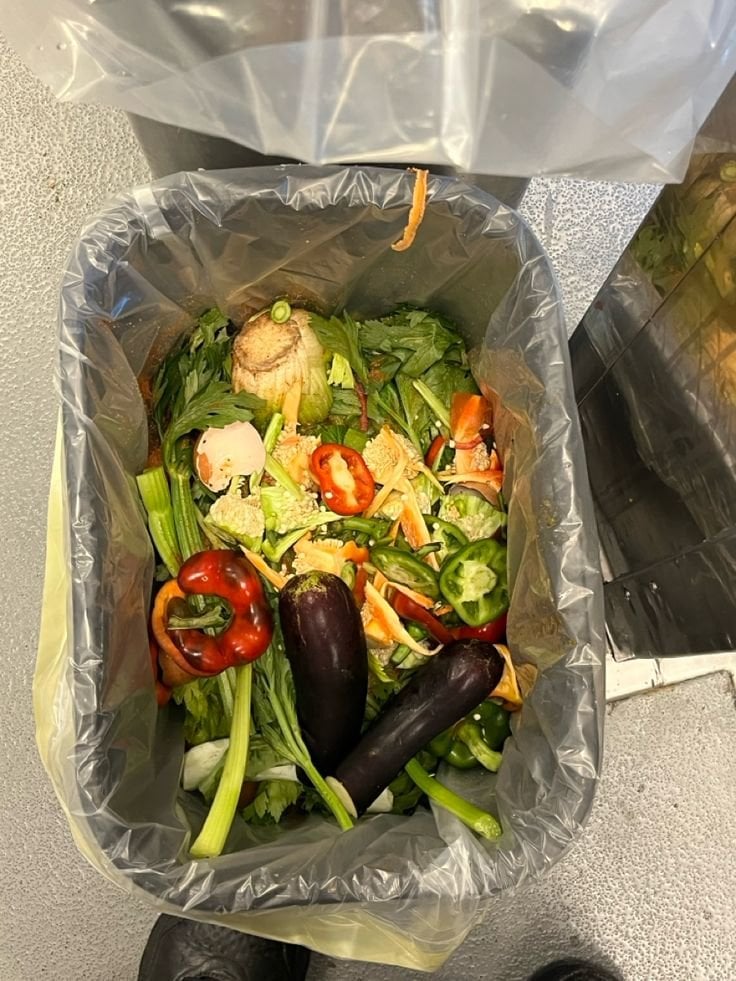
Who does what: kitchen, cleaner, collector and building manager
Food waste rules often fail in the gaps between roles. Here is a typical split. Agree yours in writing.
| Task | Usually done by | Note |
|---|---|---|
| Sorting food waste into caddies during service | Kitchen staff | Happens at the point of prep |
| Emptying caddies into the outdoor food bin | Kitchen staff, or the cleaner if written into scope | Name the person and the time |
| Collecting and transporting food organics | Your waste collector or council service | Not a cleaning contractor's job |
| Washing bins and the bin area, cleaning up spills | Contract cleaner, where included in scope | Time it to collection day |
| Pest inspection and treatment | Pest controller | Can sit under the same facility contract |
| Grease trap pump-out | Licensed liquid waste contractor | Separate from cleaning |
| Shared bin room in a mixed-use or strata building | Building or strata manager coordinates | Each food tenant still separates its own waste |
In shared buildings, the separation duty sits with the occupier of each food premises, but the bin room is often common property. Agree who supplies the food bins, who keeps the shared room clean and how spills are reported. Without that, the room tends to become nobody's job.
For the day-to-day cleaning detail, our commercial kitchen cleaning checklist and pub and club cleaning checklist both include washing bins and bin enclosures as a contract-cleaner task.
How B&K Services can help, and what we don't do
B&K is a commercial cleaning contractor working across Sydney, Wollongong and the Illawarra, and Nowra and the Shoalhaven. We don't collect or transport food organics; that is your waste collector's or council's role. We can help keep the areas around that collection clean and under control:
- Restaurants and cafés: dining rooms, floors, amenities and back-of-house areas, cleaned outside trading hours. See restaurant cleaning in Sydney, Wollongong and Nowra.
- Pubs and clubs: bars, bistros, function rooms and amenities, planned around your trading diary. See pub and club cleaning in Sydney, Wollongong and Nowra.
- Shopping centres and food courts: common bin areas and waste rooms kept tidy and hygienic between scheduled collections (Sydney).
- Strata and mixed-use buildings: bin rooms cleaned to a set routine, timed to collection days where agreed (Sydney, Wollongong).
- Aged care: bin areas kept clean in line with your site's waste arrangements (Sydney).
Pest control, hygiene services and waste management can be added under the same contract. Kitchen equipment, exhaust, canopy, duct and grease-trap cleaning are specialist services and are not part of our routine restaurant scope.
Adding food organics bins this year or next? Talk to B&K about a cleaning scope that covers your bin area, timed around your collection days.
Summary
Pest control is crucial for businesses to prevent health risks, property damage, and reputation loss. Australia has many pests like termites, ants, and cockroaches, making regular pest management essential. Commercial properties should have pest control every three months, while food businesses may need monthly treatments. The frequency depends on factors like business type, location, and past infestations. DIY pest control is cheaper but less effective, time-consuming, and risky, whereas professional services ensure safe and long-lasting results. With over 30 years of experience, B&K Services provides expert pest control solutions to keep your property pest-free. Contact them today!